Nuoro gave birth to famous
people as:
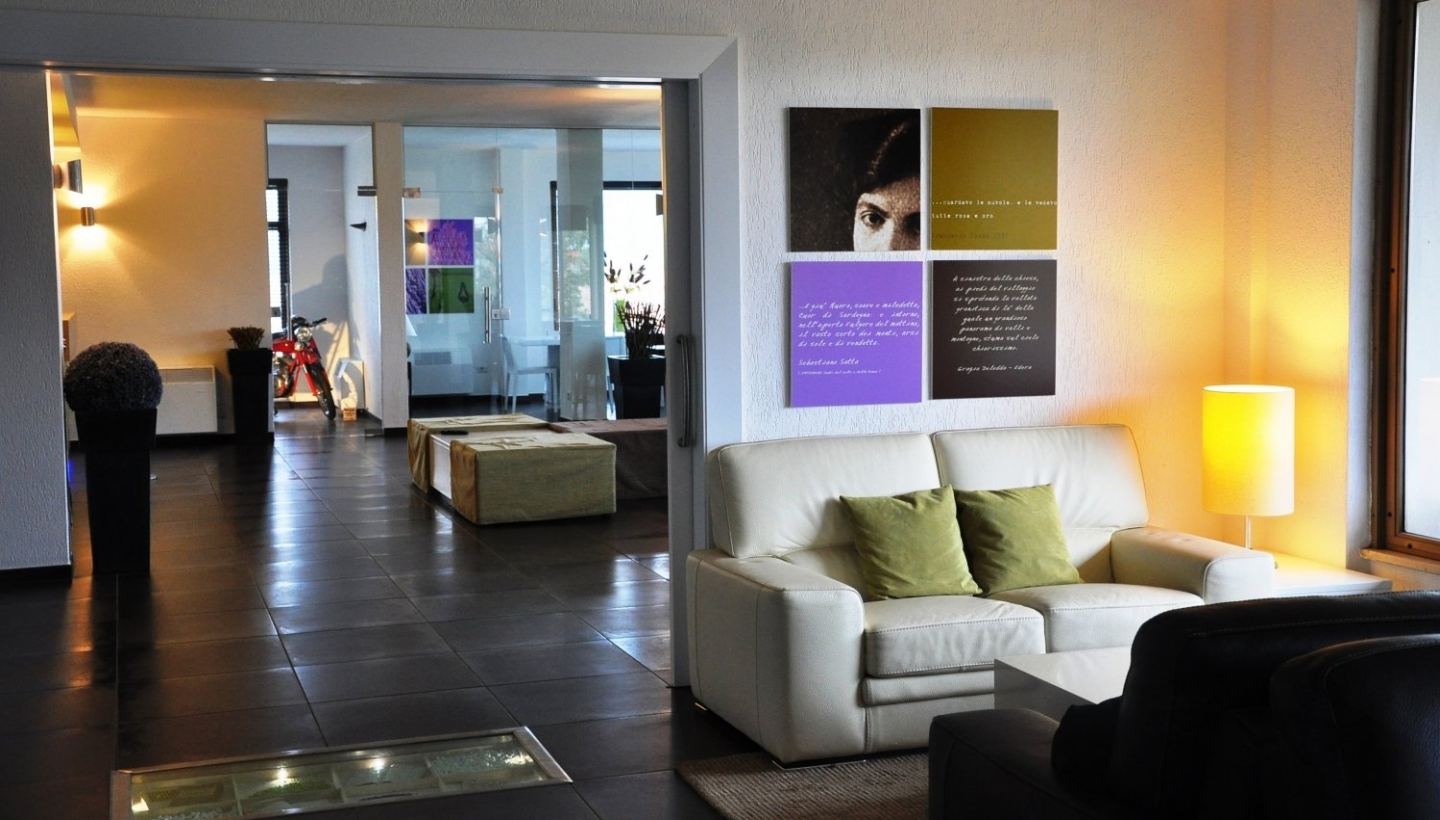
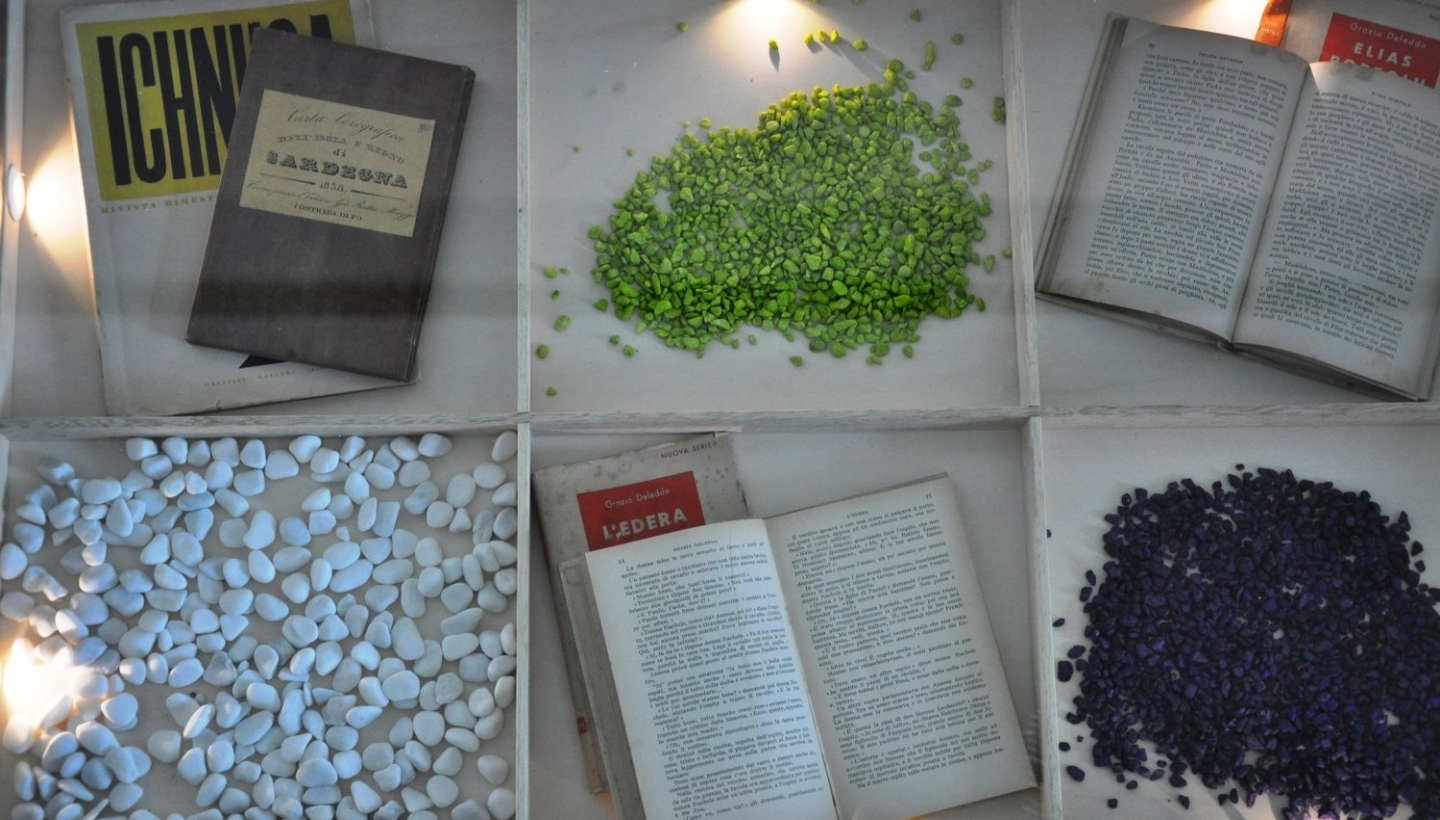
Grazia Deledda
(1875-1936)
world-renowned writer, was
born in Nuoro in 1875, his first novel Fior di Sardegna comes
out in 1892 followed by Anime Oneste in 1895.
In 1900 Palmiro Madesani
married and moved to Rome where he will remain until his death whilst
occasionally holidays in Cervia a town that remained in the heart enough
to devote pages of affection and nostalgia.
In Rome see the light
other works:
Elias Portolu ,
Cenere , L'Edera , Canne al vento ,
Marianna Sirca .
In 1926 he received the
Nobel for literature.
In 1937 leaves Cosima,
his autobiographical novel, one year after his death in Rome in 1936.
Sebastiano Satta
(1867-1914)
poet among the most
important of Sardinia, lawyer and journalist, was born in Nuoro in 1867.
In 1883 his debut in
poetry with the work
I versi ribelli
in 1986 leaves the ode
Primo maggio,
in 1910 the
Canti barbaricini,
in 1924, after his death, are published
Canti del salto e della
Tanca.
Poet by 'soul deep and strong social content, died in Nuoro just 47
years following a long illness that made him motionless for six years,
in 1914.
Francesco Ciusa
(1883-1949)
sculptor, was born in
Nuoro in 1883.
He studied at the Academy
of Fine Arts of Florence, returned to Sardinia in 1904 to settle in
Nuoro.Nel 1907 to twenty years won the first prize at the Venice
Biennale, with the sculpture
La madre dell'ucciso,
whose original is kept at the National Gallery of the
Modern Arts of Rome. Success
of Ciusa was important for all artists Sardinian, which were in this way
open the doors of major national exhibitions.
In 1913 the artist worked
with other artists, completing the Municipality of Cagliari.
In 1923, taken to dedicate
the production of small ceramics, paving the manufacturing SPICA in
Cagliari.
In 1924 he opened a School
of Art in Oristano.
In
1928 he exhibited at the Venice Biennale sculpture
L'anfora sarda,
one of his last great works: symbolic and surreal, is a woman drinking
from a jug and a small feeding.
Other sculptures had made
in previous years, among them:
La filatrice
(1909),
Il dormiente,
La cainita (1914),
Il nomade
(1909),
La dolorante anima
sarda
(1911),
Bontà
(1911),
La pietà
(1925) .
In March 1937 he began to
write his autobiography, soaked memories and visions of the child and
ideal path of his works in the background of an ancient world and
intense.
In 1943 he was professor
of design at the faculty of engineering at the University of Cagliari.
He died in Cagliari in
1949.
Salvatore Satta
(1902-1975)

writer and lawyer, was
born in Nuoro in 1902.
In 1924 he graduated in
Law at Sassari.Nel 1932 follows the free teaching at the University of
Camerino where he received the assignment to teach Civil procedural law.
Later becomes holder of
the chair in Macerata, Padua, Genoa and, finally, Roma.Si bride in
Trieste in 1939, Public numerous legal studies including a monumental
Commentary to the Code of Civil Procedure and civil procedural law,
a complex in five volumes that gives it a certain notoriety in the
lawyers.
Between'44 and'45 writes
De profundis, wonderful fresco on the human condition, caused by
the reflection on negative experience during the war.
Among his works are to be
mentioned also:
Poesia e verità nella
vita del notaio,
published in Life notarial of 1955,
Soliloqui e colloqui di
un giurista
of 1968,
Quaderni del diritto e
del processo civile
of 1969 and several manuals and legal articles published in magazines
and newspapers.
In 1970 begins his
masterpiece
Il giorno del giudizio,
published posthumously in 1977.
The book arouses
bewilderment and discontent especially in Nuoro,
where many recognize the characters described.
Today the novel,
translated into seventeen languages, is considered a literary work of
great depth and is widely supported by the more qualified criticism.
Struck by an evil
incurable, Salvatore Satta dies in Rome on April 19, 1975.
Antonio Ballero
(1864-1932)
painter and writer, was
born in Nuoro in 1864 and accomplished classical studies in Cagliari.
In 1894 he wrote the novel
Don Zua and the story
Vergini bionde.Worked
with various magazines and newspapers, both local and national, with
articles and reviews.
But his real passion was
painting, which began to devote so total, albeit late, at the age of
thirty years. Amò play in his canvases, life scenes of his land, parties,
dances, poetry competitions, costumes , Landscapes.
The artist
participated during his artistic career in numerous exhibitions (held
some personal), gaining praise and recognition: its
Autoritratto al sole
was much appreciated the Quadrennial Turin in 1908, much to be played
later, accompanied by a flattering comment, in Encyclopedia Sonzogno.
Espose in Genoa, Florence,
Milan, Turin, Monza (where, in 1924, the portrait shows women obtained
the diploma of honor), Sassari, Cagliari.
Two drawings, exposed to
Quadrennial Turin in the editions of 1917 and 1923 (Conciliatore),
were purchased by the Company Promoter of Fine Arts.
He died in Sassari in
1932.
Attilio Deffenu
(1890-1918)
journalist and fighter,
one of the greatest intellectuals of 900, was born in Nuoro 1890.
In 1908 enrolled in law in Pisa accostandosi
environments anarchists and collaborating with the press and the
Socialist islanders Peninsula.
Scoppiata the war of Libya,
sided against the conflict.
He graduated in 1912,
returned in Nuoro, but was soon tired of petty provincial life.
He
became correspondent of Giornale d'Italia, engaging actively in
political life: joining the revolutionary unionism and, in 1913,
battendosi for capitalist liberalism, against protectionism customs
favoured industries in the north against the south and islands on a
structured ' agro-pastoral economy; battle that approached the
meridionalismo democratic salveminiano.
He founded the magazine in
1914 Sardinia. Moved to Milan, drilled as a lawyer, becoming
notice of the union.
Exploded
in July 1914 the first World War, was favourable entry into war and,
with Alceste De Ambris, Filippo Corridoni, Tullio Casotti and Michele
Bianchi, founded at the end of that year, the bundles of action
interventionist revolutionary.
It enlisted volunteer but,
as suspected "subversive", had to recruit a long battle to be sent to
the front.
He died heroically on the
Piave, June 16, 1918, under the command of his platoon of the
infantry "
Brigata Sassari."
see also
Marcello Fois
(writer)